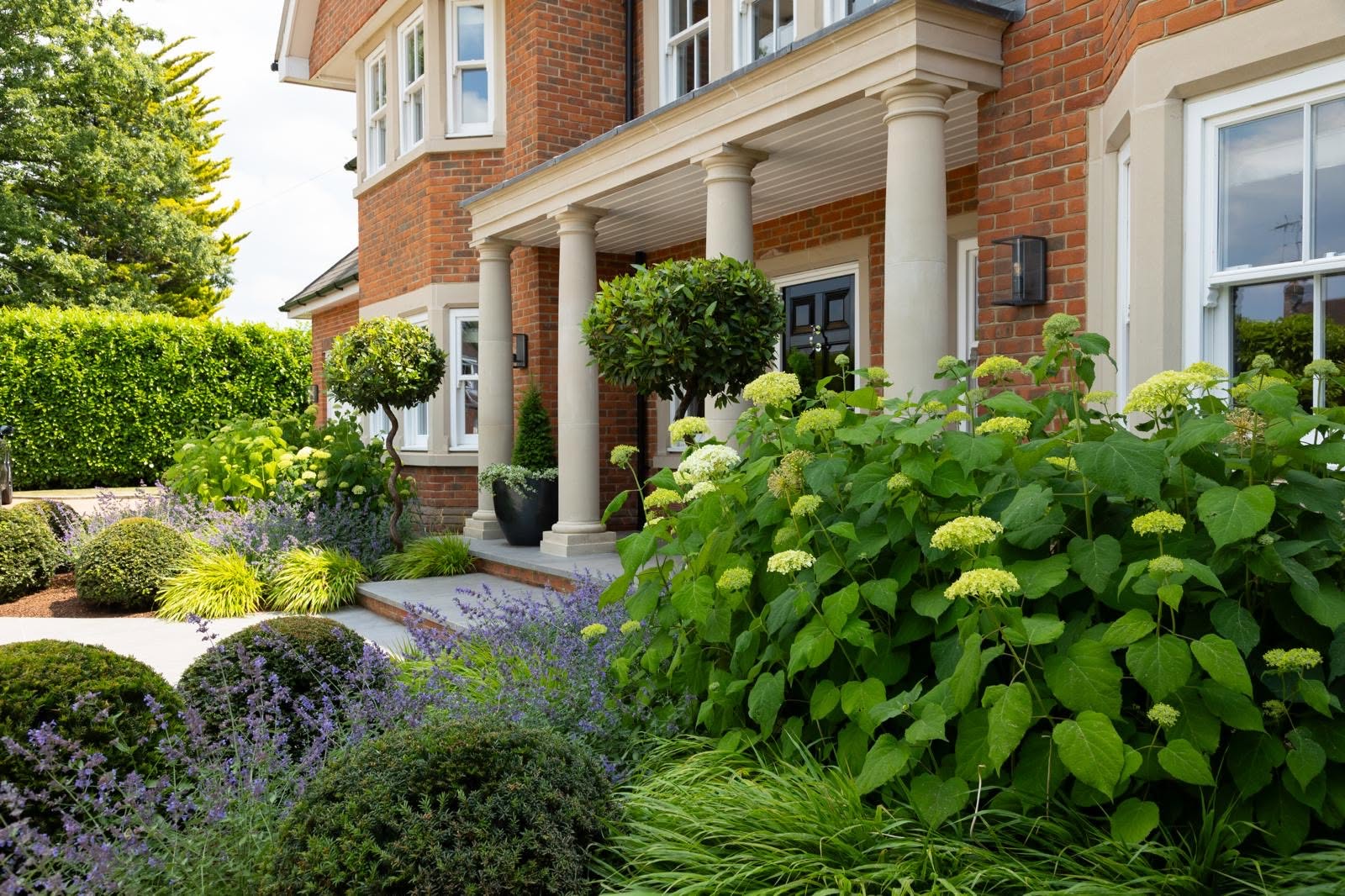
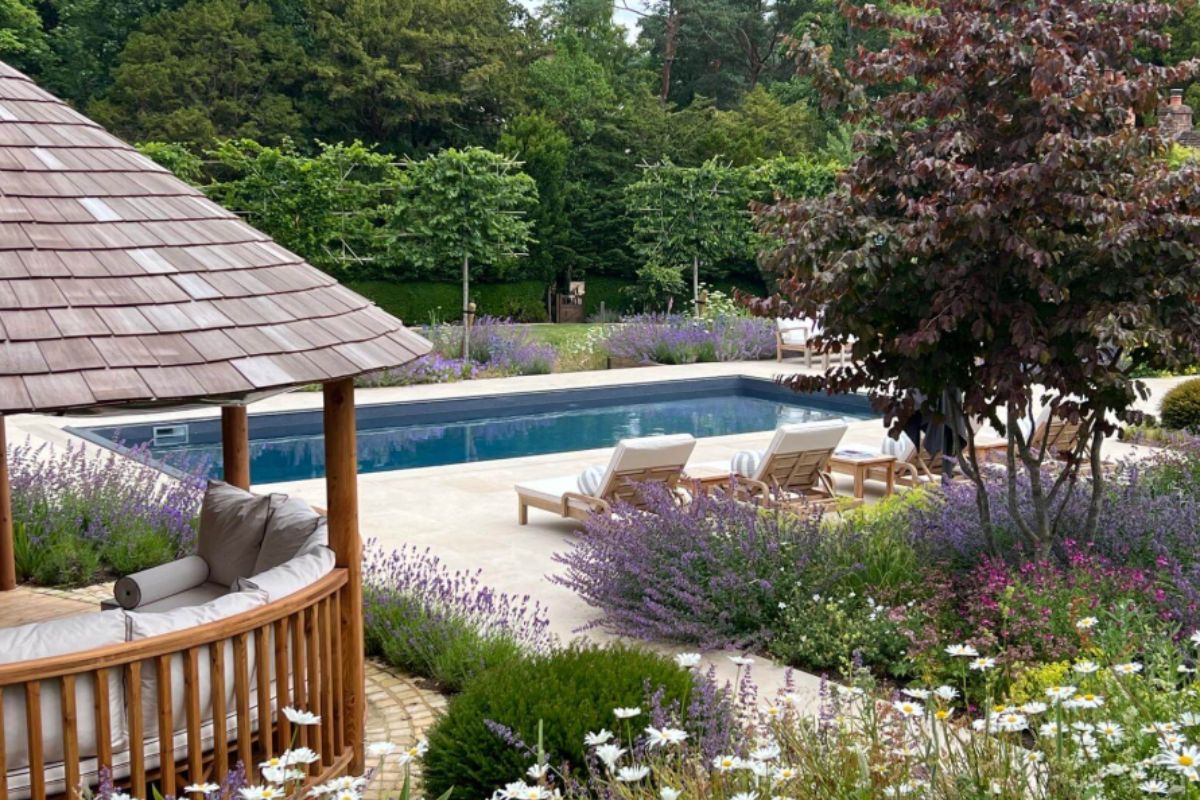
As the days grow longer and the promise of summer approaches, many homeowners begin to reimagine their outdoor spaces not just as gardens, but as extensions of their lifestyle. Across the UK, this shift is reshaping how gardens are designed, with more people looking to create social, multi-functional spaces that mirror the way we live indoors.
At the same time, traditional approaches are starting to fall away. High-maintenance planting schemes and overly formal layouts are being replaced by contemporary designs that prioritise usability, sustainability, and year-round enjoyment.
The focus is no longer just on how a garden looks, but on how to make your garden look modern while still keeping it practical.
A modern garden isn’t just clean lines and contemporary materials; it creates a space to relax, entertain, and connect with nature. However, achieving that balance can feel overwhelming, especially when trying to bring structure, planting, and practicality together cohesively.
We’ll explore how to design a modern garden that looks beautiful and works seamlessly for your lifestyle below, including how working with an experienced garden designer can make all the difference.
1. Start With How You Want to Use the Space
One of the defining shifts in modern garden design is the move toward outdoor living. Think of your garden not as a separate entity, but as an extension of your home.
This is increasingly reflected in homeowner behaviour, with 61% of homeowners reporting they spend more time hosting outdoors after improving their garden, reinforcing its role as a social, lifestyle-driven space.
Before considering materials, planting, or layout, it’s important to start with a simple question: how do you want to use the space?
For some, that might mean creating an area for entertaining, with seating, dining zones, or even an outdoor kitchen. For others, it could be a quiet retreat for relaxation, a practical space for family life, or even an outdoor shower, to make the most of the space. In many cases, the garden needs to do all of these things at once.
As a result, modern gardens are increasingly designed to serve multiple purposes, often combining social areas with more private, restful corners. Designing with function in mind helps guide every decision that follows.
Zoning becomes key here, helping to divide the space into distinct areas that each serve a purpose, while still feeling well-balanced as a whole. This might involve positioning seating to capture sunlight, creating clear pathways through the space, and ensuring easy access from the house, all of which contribute to an intuitive garden that feels comfortable to use.
Prioritise how the space will be lived in, and you’ll create a garden that is both visually refined and highly functional, which is an essential principle of modern garden design.

2. Choose Materials and Layouts for a Contemporary Look
Once you’ve defined how you want to use your garden, the next step is translating that into a layout and material palette that feels cohesive, yet contemporary.
Contemporary gardens tend to favour a restrained palette, using a small number of high-quality materials consistently throughout the space. Porcelain paving, natural stone, timber, and metal elements such as corten steel are all popular choices, offering both durability and visual impact.
Another defining characteristic of modern garden design is a sense of restraint. Rather than introducing multiple competing features, the focus is on selecting a few strong elements and allowing them space to stand out. A muted colour palette helps to create a calm, considered foundation, while structured forms and clean lines bring a sense of order to the overall layout.
At the same time, contrast plays an important role in preventing the space from feeling flat. Layering different materials and finishes introduces subtle variation, giving the garden depth without adding unnecessary complexity. Pairing smooth surfaces with more tactile elements, or balancing hard landscaping with softer planting, creates a composition that feels both considered and inviting.
When these elements are handled carefully, the result is a garden that feels refined and balanced. It remains visually interesting without becoming cluttered, and maintains a strong connection between built structure and natural elements.

3. Planting for a Modern Garden
Planting in a modern garden is less about variety and more about intention. There is a clear shift in planting preferences. According to Houzz, 70% of homeowners choose low-maintenance plants when upgrading their outdoor spaces, reflecting a move away from more traditional, high-maintenance schemes.
Rather than filling borders with a wide mix of seasonal plants, modern planting focuses on a smaller selection of species used in a more structured and deliberate way. This not only simplifies upkeep but also creates a stronger visual impact.
Repetition plays an important role here. Using the same plants in groups throughout the space helps to create rhythm and cohesion, allowing the garden to feel calm and unified rather than busy or fragmented.
A balance between structure and softness is key. Architectural plants, clipped forms, and evergreens provide a strong framework that holds the design together year-round. These can then be softened with looser planting such as ornamental grasses or perennials, which introduce movement and seasonal change without overwhelming the space.
Modern planting schemes also tend to favour a more restrained colour palette. Greens, whites, and softer tones are often used as a foundation, with occasional accents introduced for contrast.
When combined with a well-considered layout and material palette, planting becomes part of a contemporary design that feels both effortless and highly functional. This brings all elements of a modern garden together as one unified space.
4. Work With A Professional Garden Designer
Designing a modern garden is about more than selecting materials or choosing the right plants. It’s about creating a space that feels intentional and easy to live in, where layout, structure, and planting work together seamlessly.
However, achieving that level of simplicity is often more complex than it first appears. Modern garden design relies on careful planning and restraint, and without a clear direction, it’s easy for a space to feel disjointed or overly busy.
In fact, experts consistently highlight that one of the most common mistakes in garden design is starting without a clear plan, which can result in a space that feels disjointed or doesn’t function as intended.
Working with a professional garden designer brings clarity and confidence to the process, allowing a designer to interpret your lifestyle and the architecture of your home to create a garden that feels cohesive, personal, and distinctly modern.
From the initial concept through to construction and planting, every decision is guided by a wider vision, ensuring the space not only looks refined but also functions effortlessly in day-to-day use.

Ready to Create Your Modern Garden?
To sum up, if you’re wondering how to design a modern garden, you’ll need to focus on functionality, clean layouts, a restrained material palette, and intentional planting that creates a cohesive, low-maintenance outdoor space.
At Raine Garden Design, we specialise in creating modern gardens that feel both visually refined and effortless to live in.
With over 22 years of experience working across Surrey and the surrounding counties, we understand how to bring together layout, materials, and planting to create outdoor spaces that are balanced, functional, and tailored to your lifestyle.
Whether you’re looking to completely transform your outdoor space or refine an existing garden with a modern planting scheme, we offer a considered, design-led approach that brings clarity and direction to your ideas.
We offer a free initial consultation to discuss your space and explore how a modern garden design can work for you.
Get in touch today, or email studio@rainegardendesign.co.uk to start your project.
You can also explore our portfolio, browse our gallery, or follow us on Instagram for inspiration and examples of our recent modern garden designs.