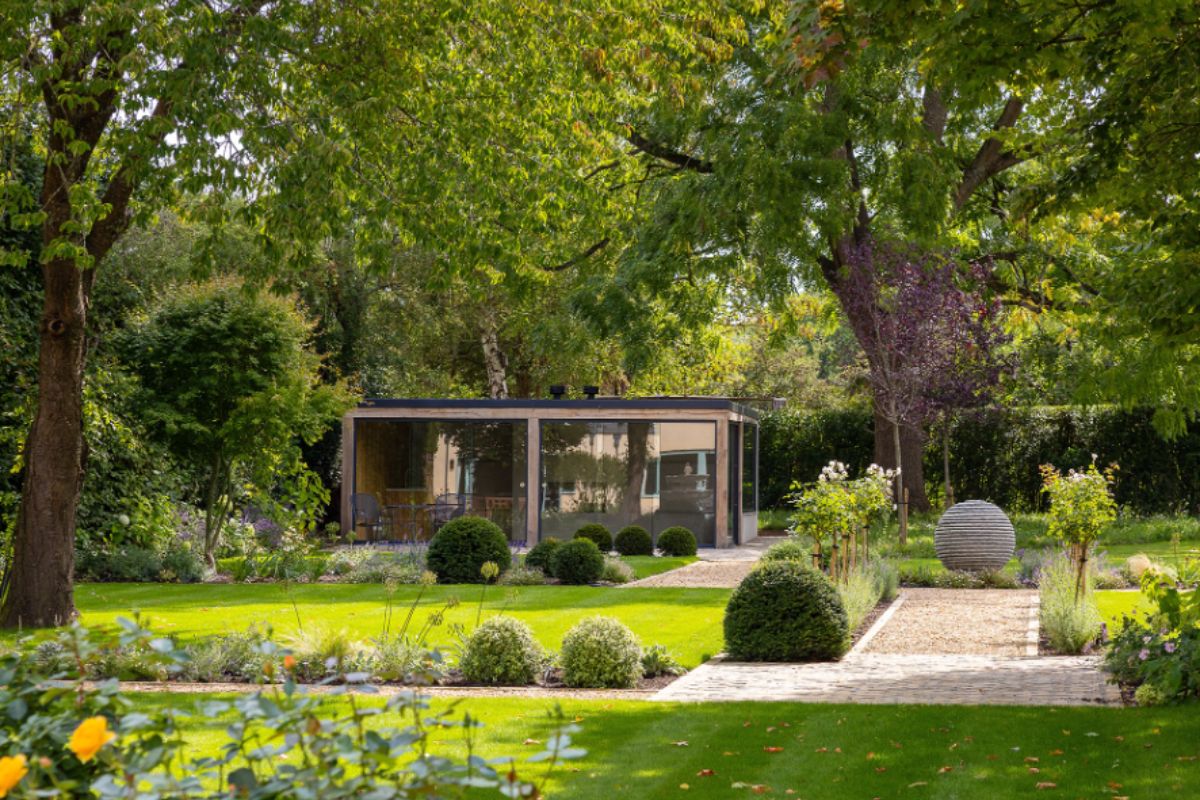
Some of the best spring flowers for your garden include daffodils, tulips, crocuses, primroses, and hyacinths. They are reliable spring bloomers, thriving in the British climate. They provide crucial early nectar for bees. They return year on year when planted in well-drained soil with good light.
Improving the soil, clearing debris, and planting will ensure beautiful colours from February to May.
Spring is an uplifting time in a garden. After grey, rainy winter, bright flowers signal the start of the gardening year. If you want to know what flowers to choose and how to get the best from them, here is a practical guide to help you plan ahead and create a garden that comes to life.

Why Spring Flowers Matter
According to the Royal Horticultural Society (RHS), early flowering plants provide nectar and pollen for bees when their normal food sources aren’t yet ready. This makes spring plants extremely important for the ecosystem and British gardens.
In the UK, spring-flowering bulbs are particularly valuable because they are adapted to the cool, damp conditions we enjoy in the UK, followed by the milder temperatures. Many bulbs return each year and can even multiply if the conditions are right.
When you are preparing your garden for spring in the UK, think beyond appearance. A well planned spring display supports wildlife, improves soil structure through active roots and sets the tone for the growing season.
The Best Spring Flowers for the Garden
If you are choosing spring flowers for the garden, these are some of the best performers:
Daffodils
The RHS explains that Daffodils will come back year on year and are some of the most reliable UK flowers. They can stand winter, but prefer well-drained soil.
You can plant bulbs in autumn at roughly three times their typical depth for strong spring flowering.
Tulips
Tulips offer bold colour and structured shape. Tulips prefer fertile, well drained soil and perform best in sunny spots. In heavier soils, improving drainage before planting is important.
Crocus
Crocuses are some of the earliest spring flowers, often blooming in late winter to early spring. They are excellent for lawns and borders, and can be very valuable as early pollinators.
Primroses
Primroses thrive in sun or partial shade and moist soil. They are a traditional British woodland plant and ideal for naturalistic gardens.
Hyacinths
With their bright colour and strong fragrance, you should plant hyacinths in autumn in free-draining soil and in a sunny position.
Combining plants that bloom from February to May will give your garden colour throughout the growing season.
Preparing Your Garden for Spring
Proper preparation is essential when preparing your garden for spring. Start by clearing fallen leaves, weeding, and removing winter debris to reduce risk and improve airflow around the new plants.
Improving soil structure is just as important. Incorporate well-broken-down organic matter and compost into the borders to enhance drainage and nutrients. Healthy soil supports strong root development.
In the UK, drainage is particularly important. Heavy winter rainfall can leave the soil waterlogged. Most spring bulbs don’t like sitting in wet soil and can rot.
Lastly, consider feeding established perennials in early spring with fertiliser to encourage strong and healthy growth.
A little of preparation can make a noticeable difference when you want your flowers to grow to their fullest.

When and How to Plant Spring Flowers
Timing is really important, just as important as choosing the right varieties. At Raine Garden Design, we recommend a thoughtful approach when you are ready to prepare your garden for spring.
Start by thinking about timing and soil preparation. Bulbs like daffodils, tulips, and crocuses should be planted in the autumn months so they are ready to bloom at the first sign of spring. Before you start digging, prepare the soil by clearing winter debris and adding compost. This helps to improve soil structure and drainage, giving bulbs the best start.
Think about your overall planting plan. Design a layout ahead of planting by considering bloom time, height, and colour combinations. This should ensure a cohesive and extended season of colour. Instead of planting in a straight line group them together in clusters or “drifts” for a natural, impactful effect.
Designing a Spring Garden That Lasts
A beautiful spring garden is about thoughtful layering. Gardeners should combine bulbs with early perennials and shrubs to extend the season.
Succession planting, choosing varieties that flower at different times, ensures the longest possible period to enjoy your garden. For example, planting crocuses followed by daffodils, with tulips and late blooming primrose.
Consider some height variation. Taller tulips and alliums can sit towards the back of the borders, while shorter plants like crocuses work at the front.

Are You Ready to Plan Your Spring Garden?
Choosing the right spring flowers for your garden and preparing your soil will reward you with months and years of colour. With the added benefit of longer-lasting, stronger plants and better support for local wildlife.
If you would like some expert guidance, tailored to your space, soil and style, we can help you. Get in touch for a free consultation and let us help you.