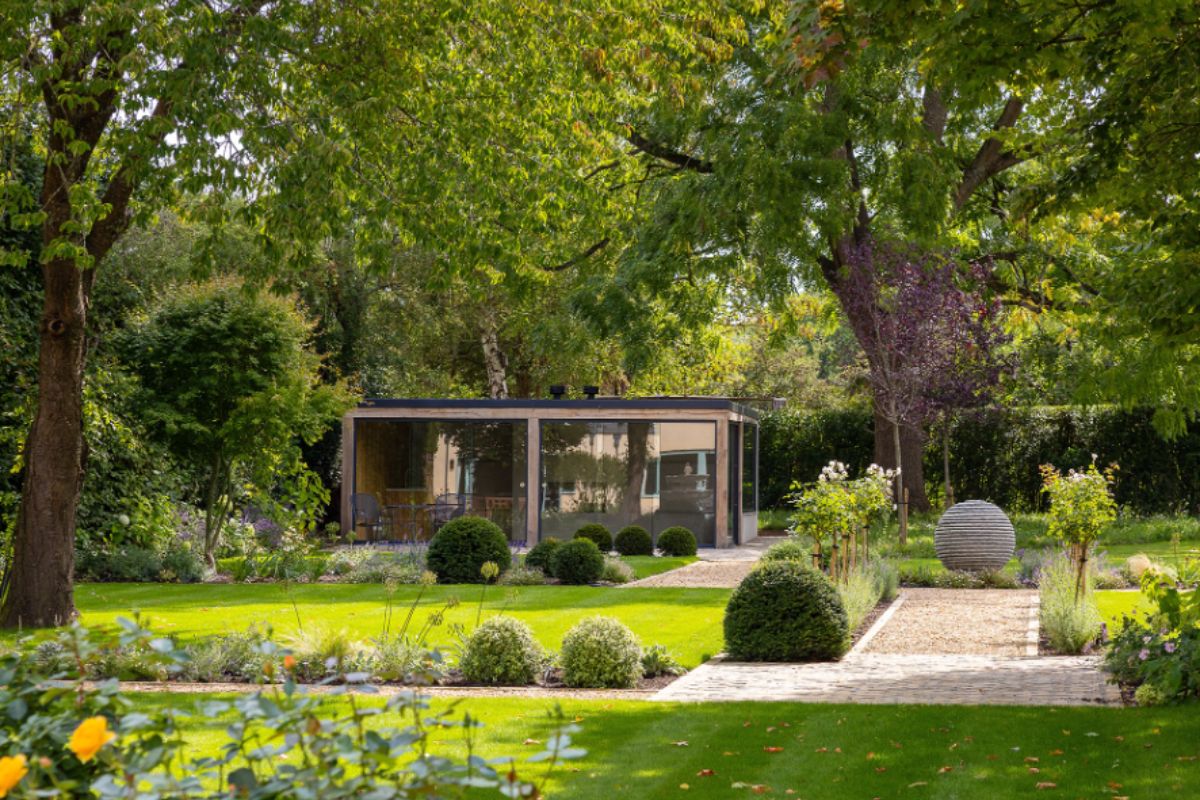
Autumn is typically seen as the winding-down season, but in garden design, it’s one of the most important times of year.
As the leaves begin to fall and growth slows, it’s the perfect moment to take thoughtful steps that will shape your outdoor sanctuary for the year ahead. If you’re dreaming of a garden that bursts into colour and structure next year, the work begins now.
Whether you’re wondering when to plant bulbs for next year, or you’re finally ready to design your dream garden, this guide will walk you through how to use this slower season to prepare for a garden that feels vibrant, enchanting and prepared for spring and summer.
When to Plant Bulbs for Next Year
Hidden beneath the soil, bulbs wait patiently through the winter months before bursting into colour during the glorious spring and summer seasons.

If you’re asking when to plant bulbs for next year, autumn is your answer, specifically between September and November for most spring-flowering varieties.
Here are some of our favourite bulbs to plant in autumn for a spring display:
- Tulips: Tulips are best planted in late autumn, around November, to reduce the risk of fungal diseases.
- Daffodils: Early autumn is ideal for daffodils, allowing them to establish strong roots before winter.
- Alliums: Plant alliums by November for a beautiful, bold and architectural addition to your planting.
- Camassia: For camassia, aim for a location with dappled shade or full sun and moist, well-drained soil before the ground freezes.
- Cyclamen: Add charm beneath trees or along north-facing borders by planting cyclamen in autumn, to ensure they grow strong roots before the summer heat.
Can I Plant Bulbs Straight into the Ground?
Absolutely, planting bulbs directly into the ground is one of the most effective, natural ways to establish a thriving spring display.
Before you begin planting, ensure you prepare your ground by removing weeds, loosening the soil with a fork, and mixing in some compost or bulb fibre to improve drainage. It’s essential that your soil isn’t soggy, as this can cause your bulbs to rot.
Follow the general rule of planting at a depth of two to three times the height of the bulb. For example, if a tulip bulb is 5cm tall, it should be planted 10 to 15cm deep.
If you’re unsure where your design is heading yet, don’t worry. Planting bulbs straight into the ground gives you flexibility as they can be moved or replaced later as your garden evolves.
How to Design a Garden in Preparation for Next Year
Planting bulbs is often the first step in a bigger journey towards creating a garden that feels more intentional, more enjoyable, and more you.
Here are 5 steps to take to design your garden in preparation for next year:
1. Observe Your Garden in Autumn
Before you dive into making plans and looking at Pinterest boards, spend some time simply observing your garden as it slows down. At this time, it’s easier to see the bones of your outdoor space, namely its structure, flow, and focal points.
Step into your garden at different times of the day. Notice how the light moves, where shadows fall, and which areas feel calm or exposed.
Can you see suitable nooks for seating, or any areas that feel underused? Insights like these are crucial in helping you ground your design in how your space is actually used
2. Define Your Priorities & Purpose
A clear intention is the core of every successful garden. Consider what you want to be able to do in your garden, as clarifying your garden’s function allows you to zone the space effectively.

Would you like it to be a space to entertain guests in the warmer months, or perhaps a quiet retreat for you to step away and enjoy your morning coffee? Both are incredibly valuable purposes your garden can have, but they require very different designs.
If you’d like both, map out which area you’d like to be a more social space and which section you’d like all to yourself!
3. Sketch a Layout That Works for Your Space
Once you’ve identified your priorities, start developing a rough layout. You don’t need to be a landscape architect to do this. Drawing out simple shapes and zones is enough to map out your ideas.
Consider these elements of your garden:
- Hardscaping: Consider patios, paths, pergolas, and raised beds.
- Soft Landscaping: Plan borders, lawns, hedging, or meadow areas.
- Levels: Think about slopes, steps, or terracing if your site is uneven.
Think about easy access and circulation. Can you easily move from one area to another, and does the layout guide you naturally through the space?
If you’d like support with planning and designing your garden, contact Raine to commission a garden or planting plan, with a free initial consultation.
4. Create a Planting Plan
As mentioned, autumn is a convenient time to start planting bulbs ready for spring. While you don’t need to finalise your planting plan for the entire year ahead, it can be helpful to start creating a planting plan now to understand where shape, colour, and seasonal interest will come from.

Choose a colour palette, decide how much planting maintenance you’re happy with, and consider when you want your garden to be at its peak.
Layers always work well to add dimension to your space. Plan to add tall structural plants, mid-height perennials, and low-growing groundcovers.
5. Plan Ahead for Spring Landscaping
Beginning the process of designing your garden in autumn means you’re perfectly timed to book in contractors or garden designers ahead of the busy spring season.
Get quotes, check availability, and finalise your designs during the quieter months so you’re ready to hit the ground running once the weather warms.
Whether you’re considering a full redesign or just a refresh, contact Raine to book a free consultation so your project can begin with care, not in a rush.
Ready to Refresh Your Garden?
We hope this guide has inspired you to begin preparing your garden for next year and supported you in choosing the most suitable bulbs to plant.
Whether you’re planting bulbs for a splash of early colour or planning a full redesign for the year ahead, now is the perfect time to begin.
We’d love to help you create the garden of your dreams. Contact Raine if you’re interested in commissioning a garden or planting plan, with a free initial consultation.
For more inspiration, check out our recent work.